















From 30th November 2026, Awaab's Law Phase 2 will introduce additional requirements for social housing landlords in England, extending the legislation to cover a wider range of significant hazards, including fire and explosions, electrical safety, structural collapse and more.
For housing associations and local authorities, the changes will place greater emphasis on identifying and responding to serious hazards within prescribed timeframes, ensuring residents are protected from potentially dangerous living conditions.
Fire safety is a particularly important area for phase 2, with the government's latest guidance identifying several examples of fire hazards that could require urgent intervention.
In the second of our Awaab's Law Phase 2 series, we explore which fire hazards are covered specifically, what the changes mean for social housing providers and how landlords can prepare.
What Fire Hazards Are Covered Under Awaab's Law Phase 2?
Under the Housing Health and Safety Rating System (HHSRS), the fire and explosions hazard category covers risks to residents arising from uncontrolled fire, smoke, fumes, heat and explosions within residential properties.
The government's Phase 2 guidance highlights several fire safety issues that may constitute significant or emergency hazards, depending on the severity of the risk and the circumstances of the residents.
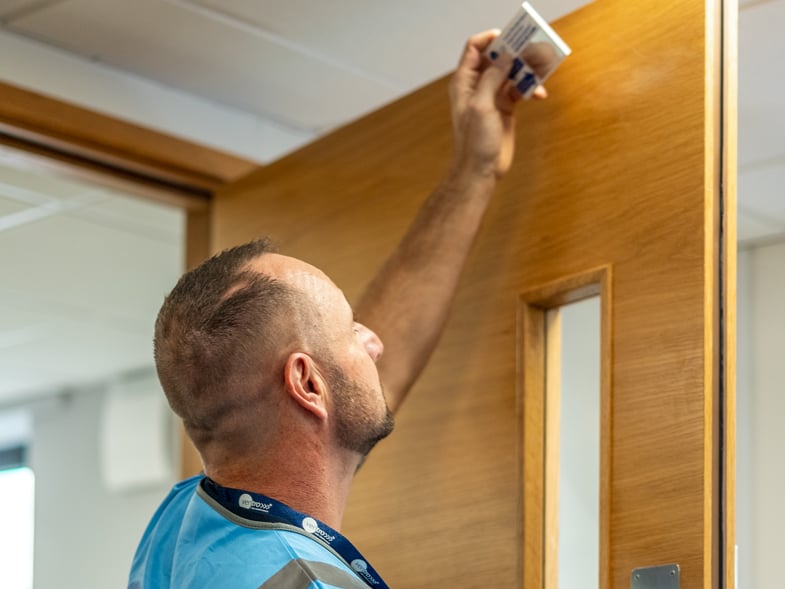
Missing, Defective or Failing Fire Detection Systems
One of the clearest examples identified in the government's guidance is the absence or failure of fire detection and alarm systems within a home.
This could include:
- Missing or non-functional smoke alarms.
- Faulty fire detection systems that fail to provide adequate warning.
- Fire alarm systems that are defective or no longer operating as required.
- Damaged or disconnected detection equipment.
Working fire detection systems are essential for providing residents with sufficient warning to escape a developing fire.
Where these systems are absent or defective, particularly in properties occupied by vulnerable residents, the risk could be classified as an emergency hazard requiring immediate action.
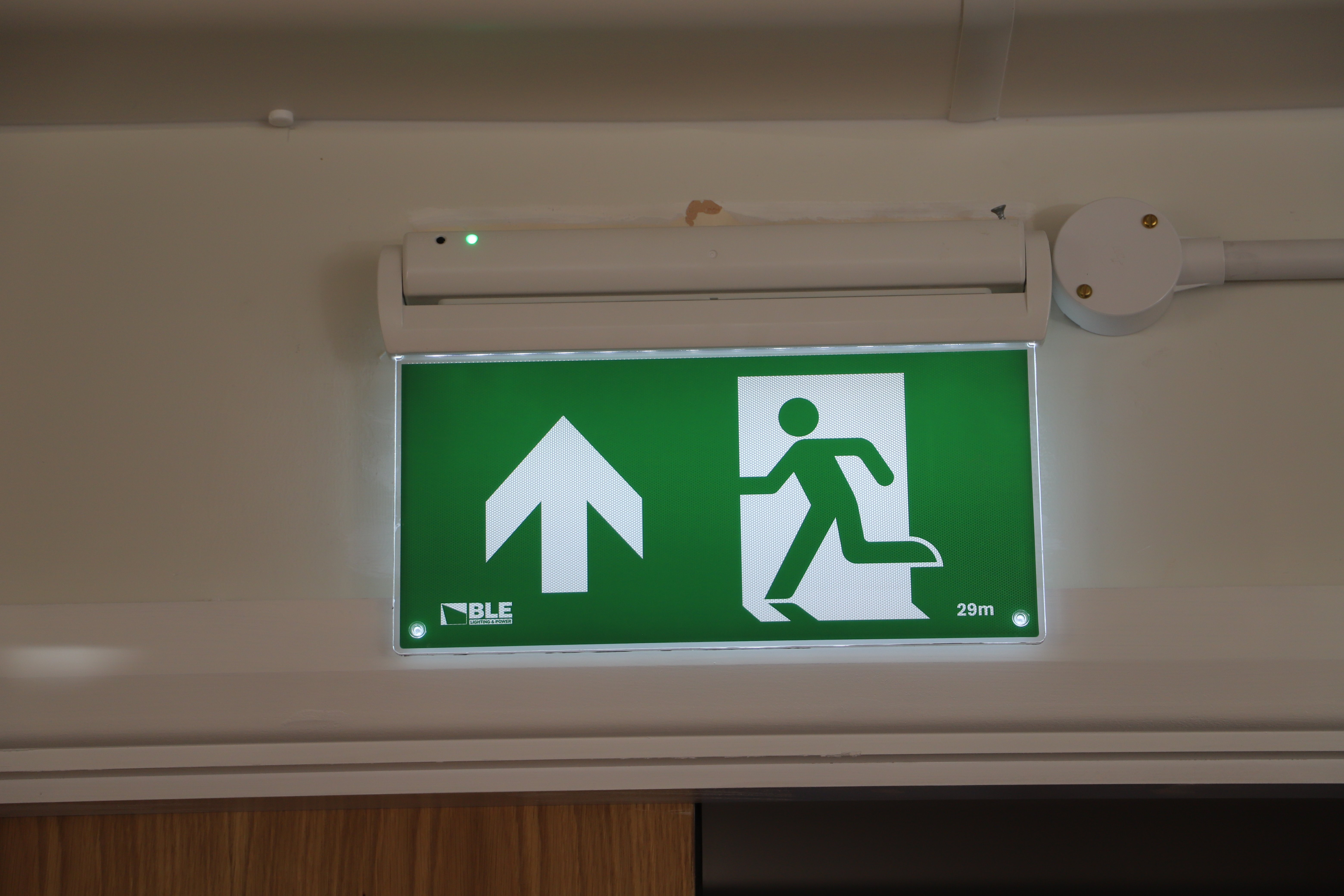
Unsafe or Inaccessible Escape Routes
The government's guidance also identifies defective or inaccessible escape routes as potential emergency fire hazards.
These may include:
- Damaged or defective doors that prevent residents from escaping safely.
- Faulty locking mechanisms that obstruct emergency exits.
- Building defects that restrict access to designated escape routes.
- Unsafe escape arrangements that could delay evacuation during a fire.
Housing providers should ensure that escape arrangements remain suitable for the building and its occupants, with identified defects investigated and addressed according to their level of risk.
Uncontrolled Ignition Sources
Another category specifically highlighted in the guidance is uncontrolled ignition sources that increase the likelihood of a fire occurring.
Examples include:
- Electrical sockets or switches producing sparks.
- Exposed or damaged electrical installations presenting an ignition risk.
- Overloaded electrical appliances or connections.
- Open flames or other uncontrolled ignition sources associated with deficiencies for which the landlord is responsible.
These hazards demonstrate the close relationship between fire safety and electrical compliance.
Although electrical hazards are also covered as a separate category under Phase 2, landlords should focus on addressing the immediate risk rather than delaying action to determine which hazard classification applies.
Gas Leaks and Explosion Risks
The fire and explosions category also covers serious risks associated with gas leaks, combustion and potentially explosive conditions.
The government's guidance makes clear that the risk of a gas explosion should always be treated as an emergency hazard under Awaab's Law.
Potential concerns may include:
- Gas leaks associated with defective installations or equipment.
- Unsafe gas fittings or connections.
- Defective combustion appliances that present a fire or explosion risk.
- Faults that could lead to the uncontrolled release or ignition of gas.
Where a gas leak is suspected, immediate emergency procedures must be followed rather than waiting for a routine inspection or repair appointment.
Landlords must also continue to comply with their existing obligations under the Gas Safety (Installation and Use) Regulations.
Defective Fire Safety Measures and Compartmentation
Beyond the specific examples highlighted above, housing providers must also consider whether defects in the building's fire safety arrangements could create a serious risk to residents.
These may include defective fire doors, damaged fire stopping, compromised compartmentation or failures in required fire protection systems.
However, it is important to distinguish between hazards that fall directly within Awaab's Law and those already governed by existing fire safety legislation.
Awaab's Law does not automatically make every fire safety defect subject to its prescribed response times. Landlords must consider the location of the hazard, their responsibilities for the affected area and the risk presented to residents.
Where a serious fire hazard affects an individual dwelling, the requirements of Awaab's Law may apply alongside existing fire safety duties.
What Are the Required Response Times for Fire Hazards?
Awaab's Law distinguishes between significant hazards and emergency hazards, with different requirements depending on the seriousness of the risk.
Emergency hazards
Where a fire hazard presents an imminent and significant risk of harm, landlords must investigate and undertake the necessary work to make the property safe as soon as reasonably practicable, and within 24 hours.
The government's guidance indicates that most fire hazards likely to be reported under Awaab's Law will fall into the emergency category because of their potentially serious consequences.
Significant hazards
Where a fire hazard presents a significant risk of harm but does not meet the emergency threshold, landlords must investigate within 10 working days and provide the tenant with a written summary within three working days of the investigation concluding.
Where relevant safety work is required, landlords must begin or take steps to begin that work within five working days of the investigation concluding and complete it within a reasonable period.
The assessment must consider the circumstances of the individual household, including any vulnerabilities that could increase the risk of injury or make evacuation more difficult.
Note: Most serious fire hazards are likely to be treated as emergencies under Awaab's Law, requiring action within 24 hours.
Does Awaab's Law Replace Existing Fire Safety Legislation?
No. Awaab's Law introduces additional requirements for addressing serious hazards in social housing, but it does not replace existing fire safety legislation.
Housing providers must continue to comply with their obligations under legislation such as the Regulatory Reform (Fire Safety) Order 2005, the Fire Safety Act 2021 and the Fire Safety (England) Regulations 2022.
The distinction is particularly important for communal areas and building-wide fire safety systems, which are already subject to specific legal duties.
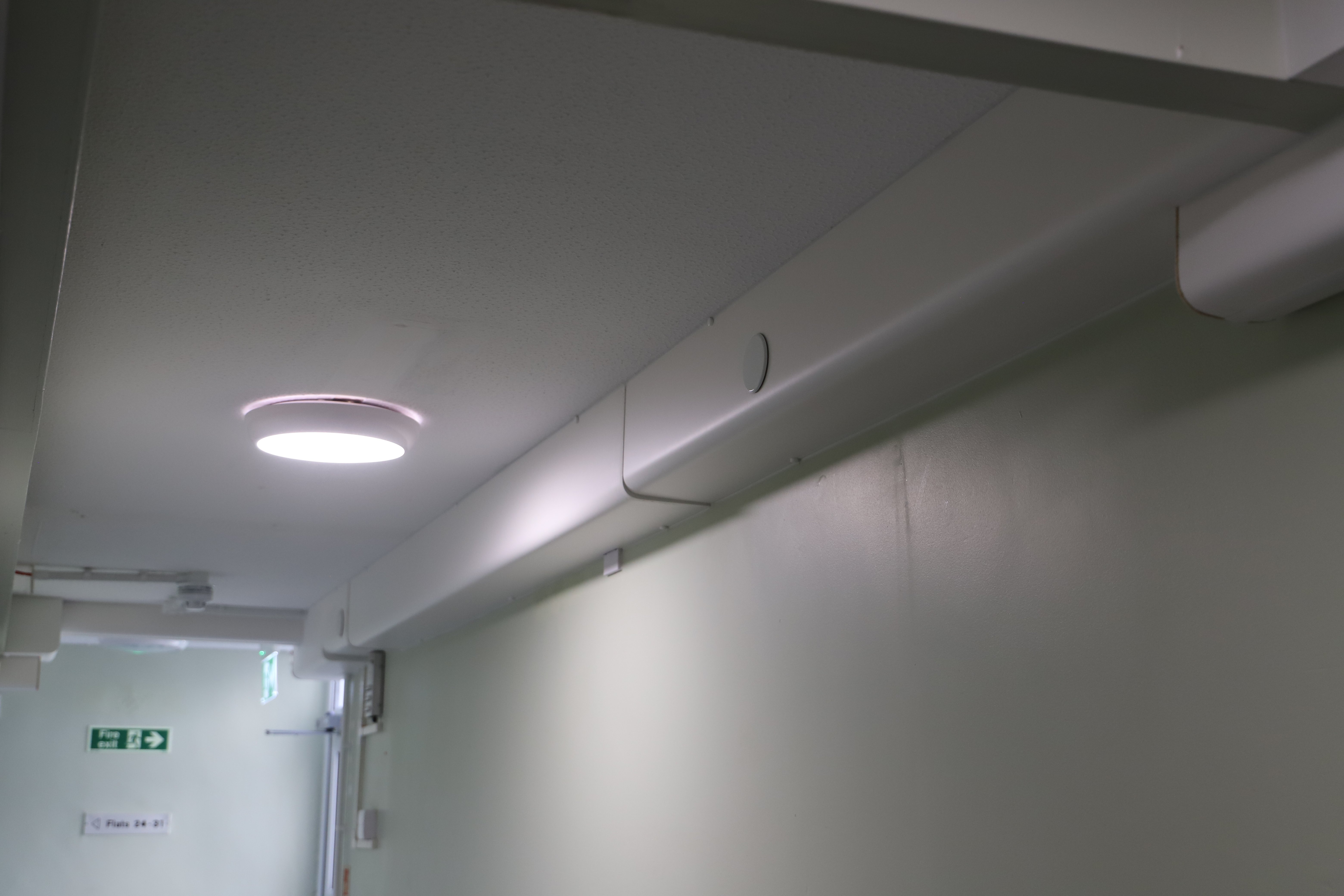
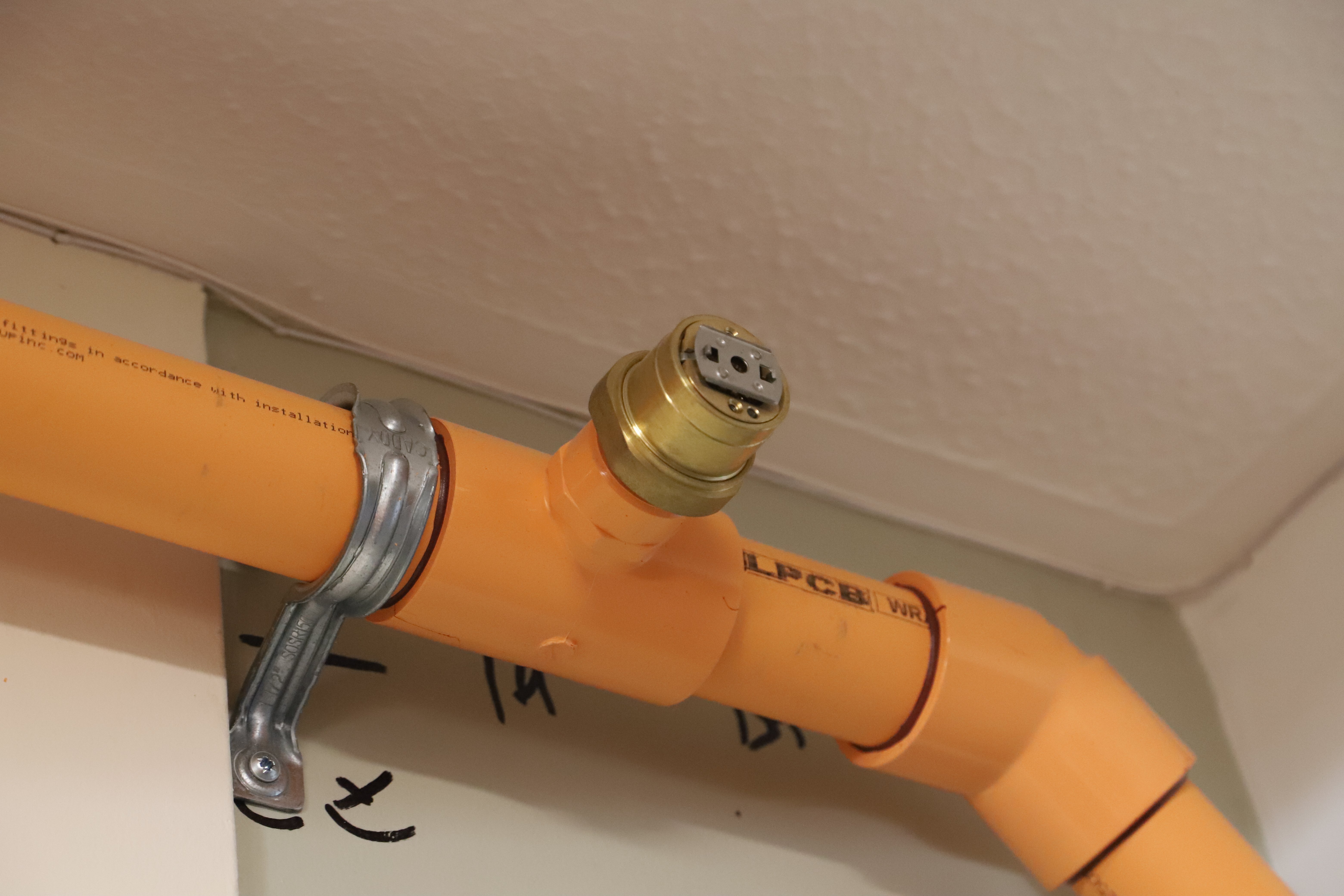
For example, where an existing fire risk assessment identifies that a sprinkler system is not required, the absence of sprinklers would not automatically constitute a hazard under Awaab's Law. However, where a required system is missing or defective, further action may well be necessary.
Landlords should therefore consider Awaab's Law as part of their wider approach to building safety and compliance rather than treating it as a replacement for established fire safety requirements.
The Biggest Challenges to Meeting Awaab's Law Fire Safety Timescales
Access to Competent Contractors
One of the biggest challenges will be ensuring that appropriately qualified contractors are available to respond within the required timescales. Fire safety works often require specialist expertise, whether investigating defective detection systems, repairing fire doors or addressing electrical faults that present an ignition risk.
Housing providers managing large property portfolios, particularly those spread across multiple geographical locations, may find it difficult to mobilise contractors quickly enough without established arrangements in place.
Availability of Replacement Parts and Materials
Some fire safety defects can be resolved relatively quickly, while others require replacement components, specialist equipment or additional remedial works. Lead times for fire detection equipment, replacement doors and other fire safety products could create challenges where immediate repairs are necessary.
Landlords must therefore consider what temporary measures can safely remove an immediate risk while permanent repairs are arranged. Where a property cannot be made safe within the required timeframe, suitable alternative accommodation may be necessary.
Coordinating Multiple Compliance Disciplines
Fire hazards do not always fall neatly within a single compliance discipline. For example, a defective electrical installation could create an immediate fire risk, while remedial works may require coordination between electrical contractors, fire safety specialists and general maintenance teams.
Where housing providers rely on multiple contractors, delays in communication, scheduling and responsibility for remedial works could make meeting the required timescales more difficult.
Identifying and Prioritising Emergency Hazards
Housing providers will also need to ensure that resident reports are assessed quickly and accurately. Distinguishing between significant and emergency hazards requires competent assessment, particularly where individual circumstances increase the potential risk.
Failure to identify an emergency hazard at the initial reporting stage could delay the appropriate response, making effective triage procedures, staff training and clear escalation processes essential.
| The challenge for housing providers will not necessarily be identifying fire hazards, but ensuring they have the capacity to coordinate any necessary follow-up works within the required timescales. |
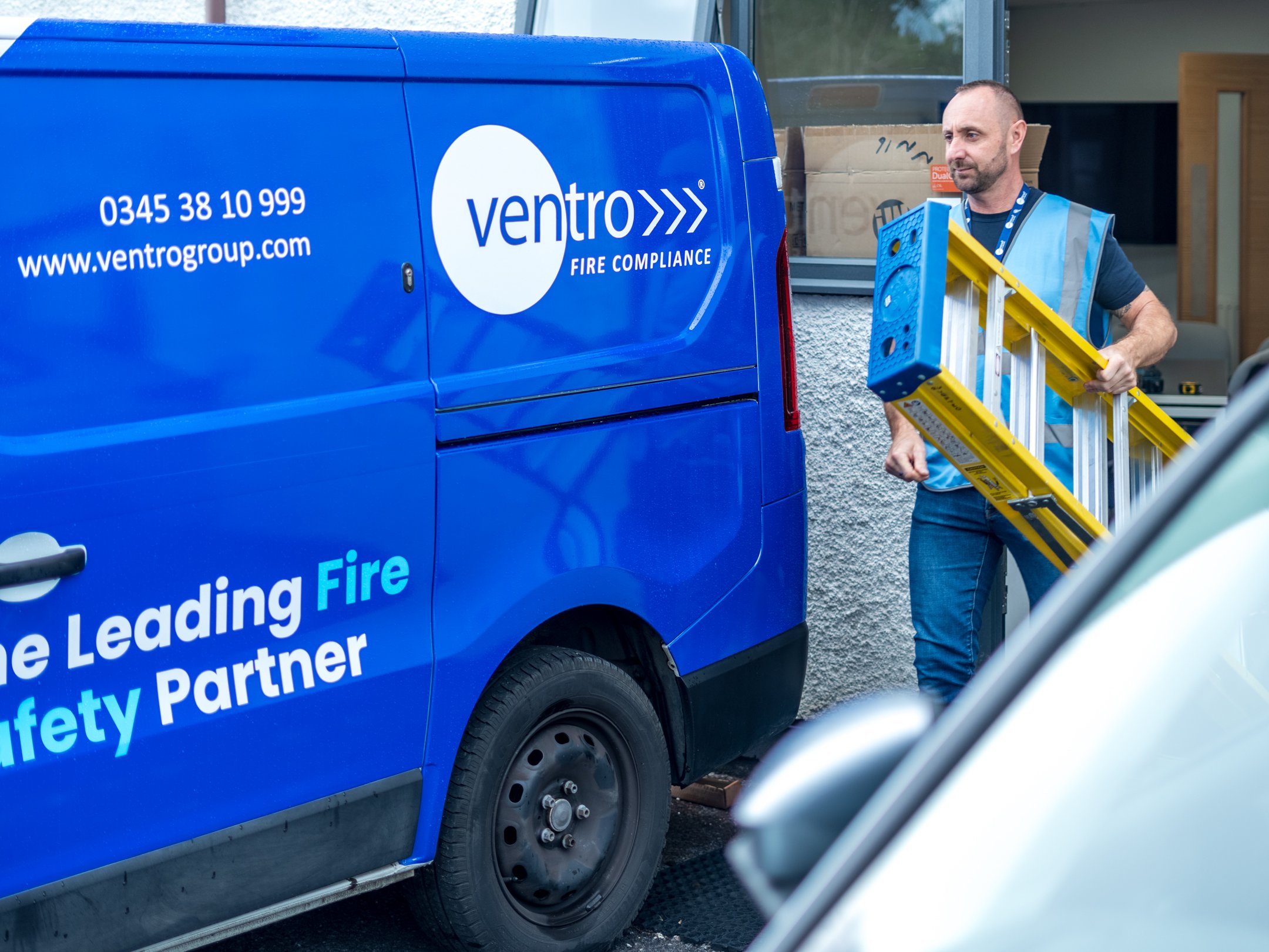
This reinforces the importance of reviewing existing contractor arrangements ahead of Phase 2. Working with an established compliance partner such as Ventro, which can deliver multiple fire safety and electrical services nationwide, can help housing providers simplify contractor coordination and improve their ability to respond to urgent compliance issues.
How Can Ventro Support Housing Providers?
As a nationwide compliance partner, Ventro supports housing associations and local authorities with specialist fire safety services needed to identify, manage and address risks across their properties.
Our capabilities include fire risk assessments, fire detection and alarm systems, fire door inspections and remedial works, fire stopping, compartmentation and wider fire safety improvements.
Importantly, Ventro can support with both the identification of any fire safety defects and the delivery of the necessary remedial works, helping housing providers reduce the complexity of coordinating multiple specialist contractors.
With Awaab's Law Phase 2 introducing additional requirements across fire safety, electrical safety and other hazard categories, working with a single compliance partner can help landlords coordinate their response and access the appropriate expertise and maintain oversight of outstanding works.
Explore Our Awaab's Law Phase 2 Series
This article is the second in our series examining the hazards covered under Awaab's Law Phase 2. In our first blog we provided an overview of Awaab's law upcoming articles, we will explore the requirements relating to electrical hazards, structural collapse, and other highlighted areas such as falls, excess cold, excess heat and domestic hygiene, helping housing providers understand their responsibilities and prepare for the changes.
Need help managing Awaab's Law Phase 2?
Contact Ventro to discuss how our nationwide compliance services can support your organisation with your Awaab's law obligations.