













.png?noresize&width=397&height=365&name=CPDmember%20(1).png)
Commercial kitchens are among the highest fire risk environments within any building. Every day, cooking processes release grease-laden vapours into extraction systems, where deposits gradually accumulate within canopies, ductwork and associated equipment. If left unmanaged, these deposits can increase the risk of fire, reduce system efficiency and create costly maintenance issues.
To help organisations manage this risk, the Building Engineering Services Association (BESA) developed the TR19® Grease specification. This recognised industry guidance provides a structured approach to inspecting, measuring and cleaning kitchen extract systems, helping duty holders maintain safer, more compliant environments.
Who Requires TR19® Grease Cleaning?
Any organisation operating commercial cooking facilities will likely need to consider regular TR19® Grease inspections and cleaning as part of its fire safety strategy.
While restaurants, hotels and leisure venues are often the first sectors that come to mind, grease extraction systems are also widely used across healthcare facilities, schools and universities, care homes, defence sites, workplace catering facilities and many public sector buildings. Wherever commercial cooking takes place, grease deposits have the potential to accumulate within extraction systems and create a fire risk if not properly controlled.
How Often Should TR19® Grease Cleaning Be Completed?
The frequency of cleaning is determined by how heavily a kitchen is used and the type of cooking being undertaken. A busy commercial kitchen operating throughout the day will generally require more frequent inspections and cleaning than a facility where cooking activities are less intensive or only carried out occasionally.
Rather than applying a one-size-fits-all approach, TR19® Grease encourages organisations to assess actual grease accumulation and implement cleaning schedules that reflect the level of risk present within the system.
Understanding the Benchmarks
A key element of BESA's TR19® Grease guidance is the use of measurable benchmarks to assess grease deposits within extraction systems.
Historically, many organisations relied on visual inspections alone when determining whether cleaning was required. However, TR19® Grease introduces a more objective approach by establishing benchmark levels that help assess system condition and identify when grease accumulation may present an increased fire risk.
This allows cleaning programmes to be based on evidence rather than fixed timescales, ensuring resources are directed where they are needed most.
How Grease Deposits Are Measured
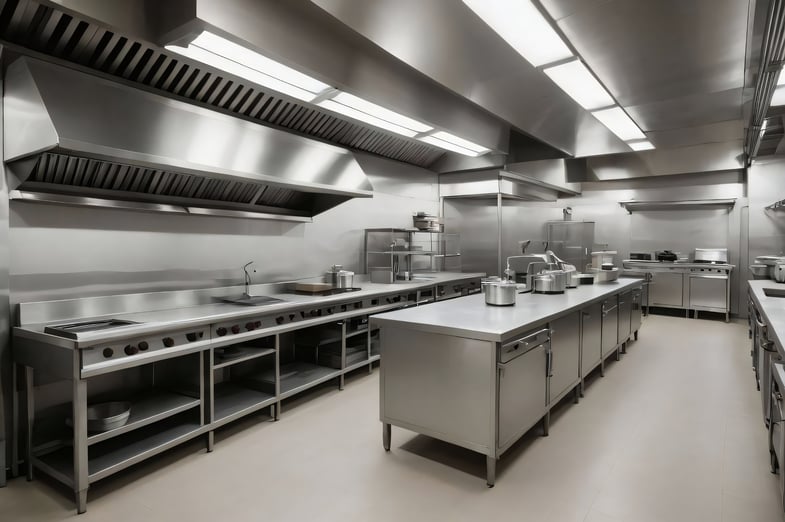
During a TR19® Grease inspection, specialist testing equipment is used to measure grease deposits throughout the extraction system. These deposits are typically recorded in microns (µm), providing an accurate assessment of the thickness of grease build-up within ductwork and associated components.
The measurements help inspectors understand the current condition of the system, identify areas of concern and determine whether cleaning is required. Over time, this data can also be used to establish a more informed maintenance programme based on the actual rate of grease accumulation.
Why Keeping Extraction Systems Clean Matters
Grease is highly combustible, meaning even relatively small deposits can contribute to fire spread if ignition occurs within a kitchen environment. By following TR19® Grease guidance, organisations can significantly reduce this risk while also improving the overall performance of their extraction systems.
Beyond fire safety, regular cleaning plays an important role in maintaining hygiene standards within commercial kitchens. Excessive grease build-up can create unpleasant odours, attract pests and provide an environment where contaminants can accumulate. Keeping extraction systems clean helps support a safer, healthier working environment and demonstrates good housekeeping practices.
A well-maintained kitchen extract system can also contribute to improved airflow, more efficient operation and a stronger compliance position when dealing with insurers, auditors and other stakeholders. Regular inspections provide confidence that systems are being managed appropriately and help identify issues before they become significant problems.
Ventro's View
Kitchen extraction systems often operate out of sight and out of mind, yet they play a critical role in both fire safety and operational performance. Regular TR19® Grease inspections and cleaning provide a clear understanding of system condition, allowing organisations to manage risk proactively rather than reactively. By adopting a measured, evidence-based approach to grease management, duty holders can help protect their buildings, occupants and operations while demonstrating a commitment to recognised industry best practice.