













.png?width=397&height=365&name=CPDmember%20(1).png)
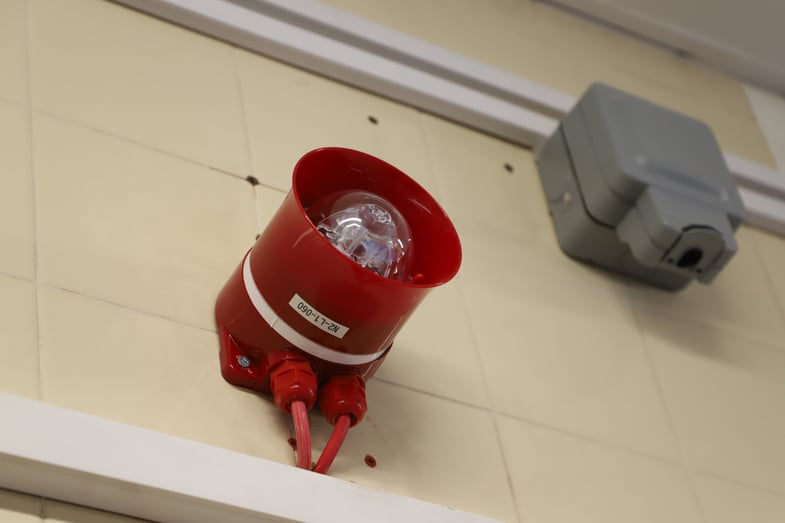
Fire alarm systems are among the most important life safety systems within any building. They provide the earliest warning of fire, support safe evacuation, activate other critical life safety measures and, when connected to an Alarm Receiving Centre (ARC), can ensure emergency services are notified without delay.
Despite their importance, many organisations continue to rely on fire alarm systems that were installed many years ago. While these systems may still function, buildings rarely remain unchanged and neither do the risks within them. Refurbishments, changes in occupancy, evolving legislation and advances in fire detection technology can all mean that a system which was appropriate when first installed is no longer suitable today. Consider, for example, how many fire alarm systems currently in operation were designed before the widespread use of lithium-ion batteries in e-bikes, e-scooters and other rechargeable devices. As fire risks evolve, so too should the systems designed to detect them.
For organisations responsible for large property portfolios, including local authorities, housing associations, NHS Trusts, universities and commercial estate owners, regularly reviewing fire alarm systems should form part of a wider building compliance strategy rather than being considered only when faults occur.
Fire Alarm Systems Should Be Reviewed Throughout a Building's Lifecycle
A fire alarm system is not a static asset. Like any other critical building service, it should evolve alongside the building itself.
Over time, buildings naturally change. Office accommodation may become residential, new extensions may be added, internal layouts are often reconfigured, and occupancy levels can increase significantly. Even changes to how individual spaces are used can alter the fire risks within a building. As these changes occur, the original fire alarm design may no longer provide the level of protection intended when it was first specified.
Regular servicing confirms that a system continues to operate as designed, but it does not determine whether that design remains suitable for the building's current risk profile. This is why periodic strategic reviews are equally important, ensuring fire alarm provision continues to align with the recommendations of BS 5839.
Age Is Only One Part of the Picture
Most fire alarm systems have an expected operational lifespan of around 10 to 15 years when correctly maintained. However, deciding when to upgrade should not be based solely on age.
The more important consideration is whether the system continues to provide reliable protection, remains fully supported by the manufacturer and still reflects the way the building is occupied today.
As systems age, replacement parts become increasingly difficult to source, manufacturers discontinue equipment and maintenance costs often begin to rise. Fault finding can also become more time consuming, increasing disruption for occupants and placing greater pressure on maintenance budgets.
Rather than waiting for these issues to become critical, many organisations now choose to replace ageing systems as part of planned asset management programmes.
Signs Your Fire Alarm System May Need Reviewing
One of the clearest indicators that a fire alarm system should be reviewed is a significant change to the building itself. Refurbishments, extensions, compartmentation changes or altered escape routes can all affect how fire is detected and how occupants are alerted. Every major building project should include a review of the existing fire alarm strategy to ensure it remains appropriate.
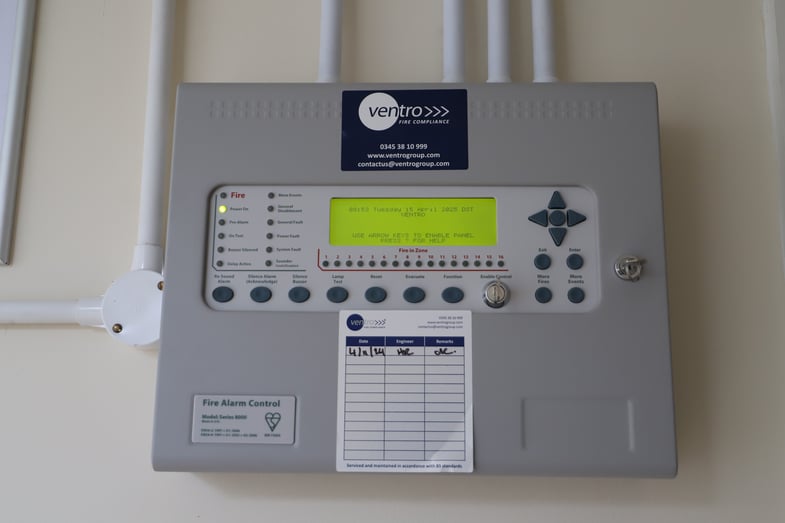
Frequent false alarms are another common warning sign. Beyond disrupting occupants, repeated unwanted activations can lead to complacency, unnecessary call-outs and avoidable operational costs. Modern addressable fire alarm systems offer far greater intelligence than many legacy installations, helping to reduce false alarms while improving the speed and accuracy of incident response.
Building owners should also be aware of equipment obsolescence. Once manufacturers stop supporting a particular fire alarm panel or detector range, even relatively minor faults can become expensive and difficult to resolve. Continuing to rely on obsolete equipment often creates unnecessary operational risk, particularly across large estates where consistency and availability of spare parts are essential.
Fire Risk Assessments also provide valuable insight into whether a system remains suitable. Recommendations relating to detector coverage, alarm audibility, system category or changes in occupancy should never be viewed in isolation. Instead, they should help shape longer-term investment decisions that strengthen the overall resilience of the building.
Finally, organisations planning major refurbishment works should consider whether the project presents an opportunity to upgrade the fire alarm system at the same time. Integrating replacement works into wider capital projects is often more cost-effective than returning to upgrade the system separately at a later date.
Taking a Strategic Approach Across Large Property Portfolios
For councils, housing providers and other organisations managing hundreds or even thousands of buildings, reactive updates are rarely the most efficient approach.
Many organisations are now moving towards estate-wide fire alarm reviews that assess the condition, performance and suitability of systems across an entire portfolio. This provides a clearer understanding of where investment is most needed and allows replacement programmes to be prioritised according to risk rather than simply responding to failures.
A strategic review can also identify opportunities to standardise equipment across multiple sites, simplify future maintenance, improve contractor response times and make capital expenditure significantly more predictable. Most importantly, it provides confidence that life safety systems continue to reflect how buildings are actually being used today, rather than how they were originally designed many years ago.
Why Proactive Reviews Deliver Better Outcomes
Waiting until a fire alarm system begins to fail often results in higher costs, greater disruption and unnecessary risk. By reviewing systems on a planned basis, organisations can identify issues long before they affect building occupants or operational performance.
A proactive approach enables building owners to make informed investment decisions, reduce reactive maintenance, improve reliability and demonstrate a clear commitment to maintaining compliant, well-managed buildings.
For organisations with extensive property portfolios, this approach is increasingly becoming a key part of effective asset management and long-term compliance planning.
How Ventro Can Help
Ventro supports organisations across the UK with the design, installation, maintenance, monitoring and strategic review of fire alarm systems. Working with local authorities, housing associations, NHS Trusts, education providers and commercial building owners, our specialists help ensure fire alarm systems continue to meet the demands of modern buildings while supporting wider compliance objectives.
Whether reviewing a single building or developing a phased replacement programme across an entire estate, our teams provide practical, risk-based advice that helps organisations improve resilience, reduce long-term costs and protect the people who rely on their buildings every day.
Built on Expertise. Trusted for Compliance.