













.png?width=397&height=365&name=CPDmember%20(1).png)
As another heatwave approaches, many of us are making the most of the sunshine. Here in Plymouth, where Ventro’s headquarters are based, the usually green grass of Plymouth Hoe has taken on a golden hue after weeks of hot, dry weather. Similar scenes are being repeated across the UK, with prolonged periods of sunshine leaving parks, gardens and open spaces noticeably drier. While the warm weather is welcome, it also brings an increased risk of accidental fires both in and around the home.
With 2/3rds of England now suffering drought conditions, The whole UK has experienced extended periods of hot weather since the end of June, and with further high temperatures forecast, now is the perfect time to think about a few simple fire safety precautions.
The good news is that reducing the risk of fire doesn't require major changes. A handful of sensible habits can make a significant difference to keeping you, your family and your property safe.
Take Extra Care When Cooking
Hot weather often means changing the way we cook. Whether it's preparing lighter meals indoors or hosting a barbecue outside, cooking remains one of the leading causes of accidental house fires.
Avoid leaving cooking unattended, particularly when using oil or deep-fat fryers. If you're cooking outside, position barbecues well away from fences, sheds, garden furniture and overhanging trees. Disposable barbecues should never be placed directly on grass or decking, as the heat can remain long after you've finished cooking.
Always ensure barbecues are completely cool before disposing of them.
Be Mindful of Electrical Appliances
Fans, portable air conditioning units and other cooling appliances often work much harder during a heatwave. Avoid plugging multiple high-powered appliances into the same extension lead and ensure cooling equipment has enough space around it for ventilation. Electrical items that become unusually hot, emit a burning smell or show signs of damage should be switched off immediately and checked before further use.
If you're heading out for the day, remember to switch off non-essential electrical appliances rather than leaving them running unattended.
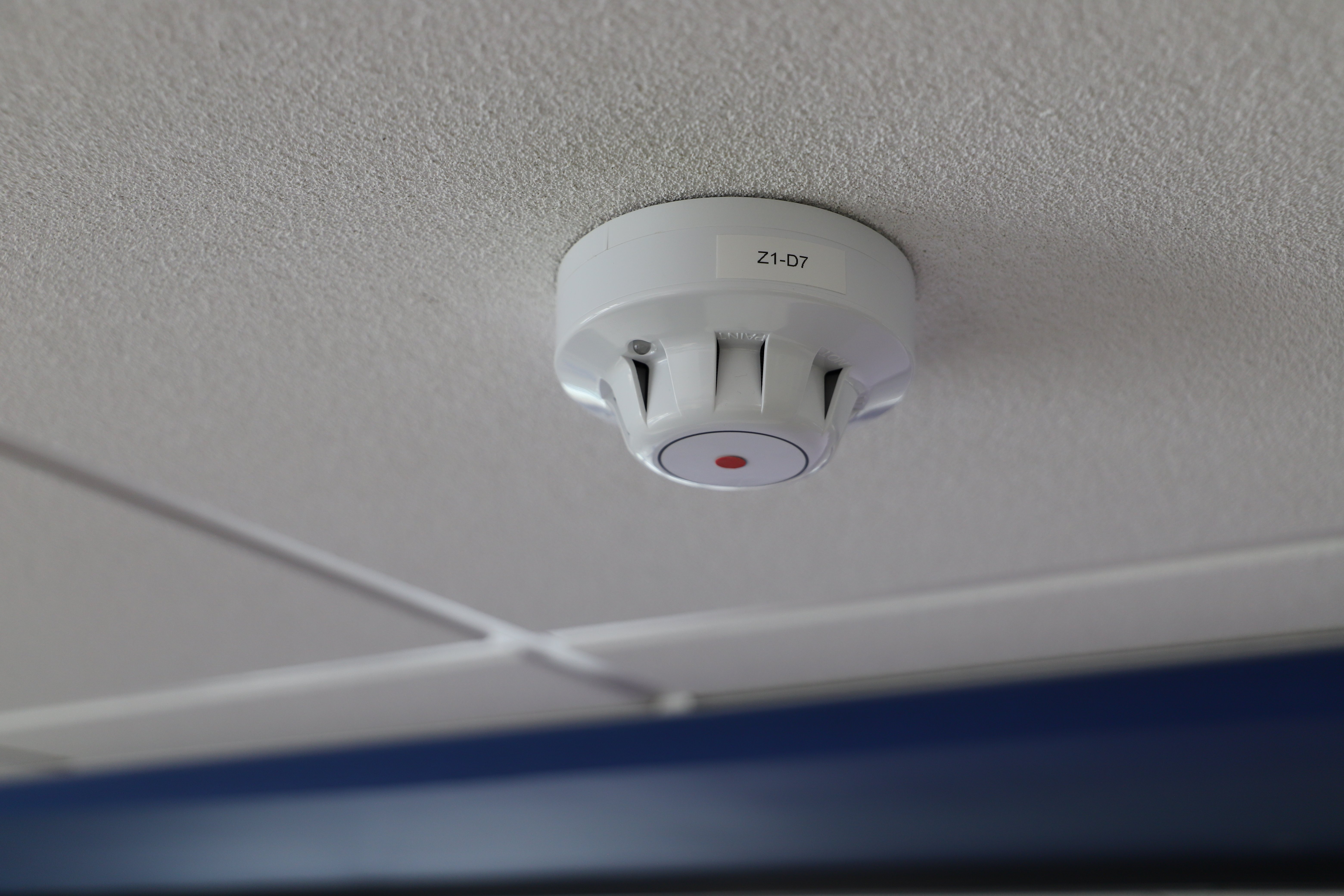
Don't Forget Your Smoke Alarms and Detectors
Smoke alarms are your first line of defence should a fire occur, but they're only effective if they're working properly.
Take a moment to press the test button on every smoke alarm in your home. It only takes a few seconds and could provide valuable early warning in an emergency. If the alarm doesn't sound, replace the batteries or the alarm unit if required.
If your home has a carbon monoxide alarm, it's worth testing that too.
Dispose of Smoking Materials Safely
Warm evenings often mean more people relaxing outside.
If you smoke, ensure cigarettes are fully extinguished before disposing of them. Never throw cigarette ends into dry vegetation, flower beds or bins containing combustible materials, particularly during prolonged dry weather.
Smoking indoors while tired or after consuming alcohol also significantly increases the risk of accidental fires.

Keep Escape Routes Clear
It's something many people overlook, but knowing how you would leave your home if a fire occurred is one of the simplest ways to improve your safety.
Ensure hallways, staircases and doorways remain clear of clutter, and make sure everyone in the household knows the quickest way out. If you live in a flat, familiarise yourself with your building's fire safety arrangements and evacuation procedures.
Store Flammable Items Correctly
Petrol, paints, gas cylinders and other flammable liquids should always be stored safely in cool, well-ventilated areas away from direct sunlight.
Never store fuel containers inside your home, and avoid leaving aerosol cans or gas canisters in vehicles during periods of extreme heat where temperatures can rise rapidly.
.jpg?width=6240&height=4160&name=Ventro%20Group%20Annual%20Staff%20Conference%202026%20(253).jpg)
Protect Your Garden
Dry grass, hedges and garden waste can become increasingly combustible during extended hot weather.
Avoid using machinery that may generate sparks near dry vegetation, dispose of garden waste responsibly and never leave bonfires unattended. If conditions are particularly dry or windy, consider postponing garden burning altogether.
Don't Overlook the Risk of Wildfires
When people think of wildfires, they often picture countries with much hotter and drier climates. However, prolonged periods of hot, dry weather have led to a growing number of wildfires across the UK in recent years, affecting moorland, woodland, grassland and even areas close to homes.
Dry grass, shrubs and vegetation can ignite surprisingly quickly, with discarded cigarettes, unattended barbecues, campfires and even broken glass sometimes contributing to fires starting or spreading. Strong winds and extended dry spells can allow fires to travel rapidly, putting people, wildlife and property at risk.
If you're out enjoying the countryside or visiting parks and open spaces, help reduce the risk by taking your litter home, disposing of smoking materials responsibly and only using barbecues where they are specifically permitted. Never leave disposable barbecues or camping stoves on dry grass, and avoid lighting campfires unless they are allowed and can be managed safely.
If you spot a wildfire, move to a safe location immediately and call 999, asking for the Fire and Rescue Service. Try to provide the location as accurately as possible using nearby landmarks or apps such as What3Words if available. Never attempt to tackle a large outdoor fire yourself, leave it to the emergency services.
If You Spot a Wildfire
While wildfires are more commonly associated with hotter climates, they are becoming increasingly common across parts of the UK during prolonged periods of dry weather.
If you discover a fire in open countryside, woodland or heathland:
- Move to a safe location immediately.
- Call 999 and ask for the Fire and Rescue Service.
- Provide the location as accurately as possible.
- Never attempt to tackle a large outdoor fire yourself.
.jpg?width=4000&height=3000&name=Chichester-House-Plymouth%20(6).jpg)
Most accidental fires can be prevented through simple everyday actions. During periods of exceptionally hot weather, taking a few extra moments to think about fire safety can help protect your home, your loved ones and your community.
So, enjoy the sunshine, make the most of the longer days and everything summer has to offer, but remember to stay vigilant. A little extra care around barbecues, electrical appliances, smoking materials and dry outdoor spaces can make all the difference.
At Ventro, we're committed to helping create safer homes, workplaces and communities. Whether through education, inspections or specialist fire safety services, our mission remains the same: protecting people through effective building compliance.
Built on Expertise. Trusted for Compliance.