












.png?width=397&height=365&name=CPDmember%20(1).png)
In the early morning of Sunday 1st February, a fire broke out in the west wing endoscopy unit of University Hospital Southampton (Southampton General Hospital) at around 05.30am. More than 100 firefighters from Hampshire and Isle of Wight Fire and Rescue Service were called to tackle the blaze after the alarm was raised. The hospital declared a major incident as part of its response.
The fire was traced to an electrical fault, highlighting the importance of ongoing maintenance, regular inspections, and effective safety measures, especially in complex healthcare environments. Incidents like this really do reinforce why careful planning and risk management are so important.
More than 500 patients were successfully moved or evacuated to safe areas of the hospital in just 40 minutes by trained staff and emergency crews, an incredibly impressive feat. Many patients were relocated to other parts of the hospital, and some were transferred to nearby hospitals to ensure their continued care. There were no reported injuries linked to the fire thanks to the brilliant work of the hospital staff and local fire service.
University Hospital Southampton’s chief executive, David French, praised the actions of staff in response to the incident. He said: “I can only imagine how scary that must have been for everybody involved but my staff did an amazing job and I’m really proud of them.”
Hospital leaders confirmed that a number of wards will inevitably remain closed due to fire, smoke and water damage, and around 200 bed spaces are currently unavailable as services recover from the incident. In the immediate response, patients were quickly moved to safe areas across the hospital, with some requiring care in public spaces such as corridors while staff worked to discharge patients, transfer some to other hospitals, and repurpose other areas to maintain quality and safe care. Critical departments such as the emergency department continue to operate while recovery work continues across affected areas.
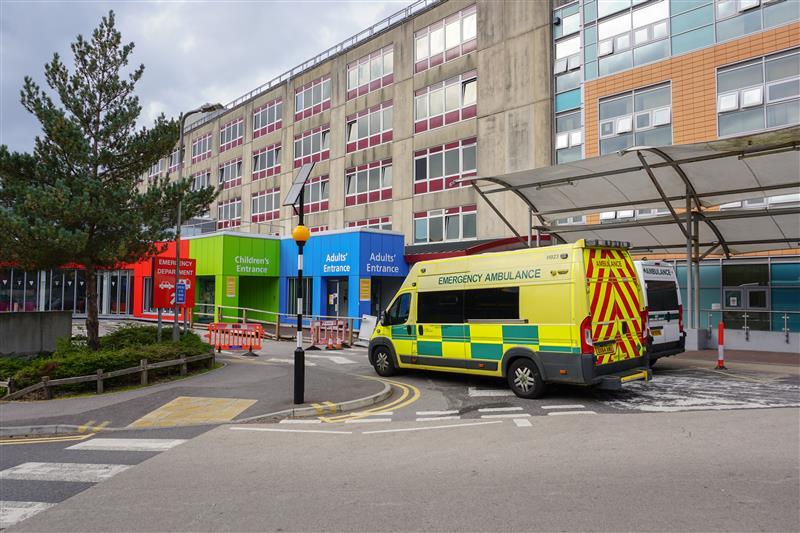
The fire was traced to an electrical fault, highlighting the importance of ongoing maintenance, regular inspections, and effective safety measures, especially in complex healthcare environments. Incidents like this really reinforce why careful planning and strong asset management are so important. When systems and teams work effectively together, outcomes in emergencies improve significantly. Every building responds differently in a crisis, so taking time to review how your fire safety measures would perform under pressure is essential to fire safety.
Hospitals are among the most complex environments to manage, and emergencies can test even the most robust systems. The recent fire at University Hospital Southampton demonstrates how careful planning, swift action and coordinated teamwork can protect patients and staff when every second matters and any closed wing or department will mean reduced beds or space for patients.
Taking time to review how your fire safety measures would perform under pressure is essential to fire and wider building safety. Here are some actions you can take today:
- Conduct regular fire drills: Test evacuation routes and response times for different scenarios.
- Inspect fire safety equipment: Ensure alarms, extinguishers, sprinklers, and emergency lighting are fully operational.
- Review escape routes: Check that exits are clear, accessible, and well-signposted.
- Assess occupant awareness: Make sure everyone knows what to do, including staff, occupants, or visitors.
- Update emergency plans: Tailor procedures to your building’s layout, occupancy, and potential hazards.
- Engage with professionals: Use fire risk assessors or building safety consultants to identify hidden risks.
If you would like to understand how Ventro can support your organisation in strengthening safety and resilience you can contact our team here: