













.png?width=397&height=365&name=CPDmember%20(1).png)
Solar power is set to become considerably more accessible across Great Britain following the introduction of new rules allowing households to use plug-in solar panels.
From the 27th of August 2026, compliant plug-in solar systems can legally be used across GB, allowing households to generate their own electricity without the more extensive, and traditionally more expensive installations associated with traditional rooftop photovoltaic (PV) systems.
It represents a positive development in the transition towards cleaner, more accessible energy. However, as solar installations become increasingly common across homes and buildings, electrical and fire safety must continue to develop alongside them.
What are plug-in solar panels?
Plug-in solar systems, sometimes referred to as balcony solar, are smaller photovoltaic systems designed to connect directly to a property's electrical supply through a compatible mains socket.
Unlike traditional rooftop solar installations, they can potentially be positioned on balconies, terraces and other suitable outdoor areas, making solar generation accessible to households that may previously have been unable to install conventional rooftop systems.
The Government estimates that compliant systems could provide around 20% of an average household's electricity consumption, potentially saving the average household around £110 per year.
The relative simplicity of these PV systems could make solar generation an option for a much wider section of the population.
Solar will play an important role in the UK's energy transition
The introduction of plug-in solar should be viewed positively.
Increasing the amount of renewable electricity generated at individual properties can reduce reliance on grid electricity, help households manage energy costs and contribute towards the UK's wider transition towards cleaner energy.
Solar deployment is already growing rapidly. The UK surpassed two million solar installations in March 2026, demonstrating just how quickly the technology is becoming part of the country's energy infrastructure.
However, rapid adoption also makes product quality, appropriate installation, maintenance and ongoing fire safety increasingly important.
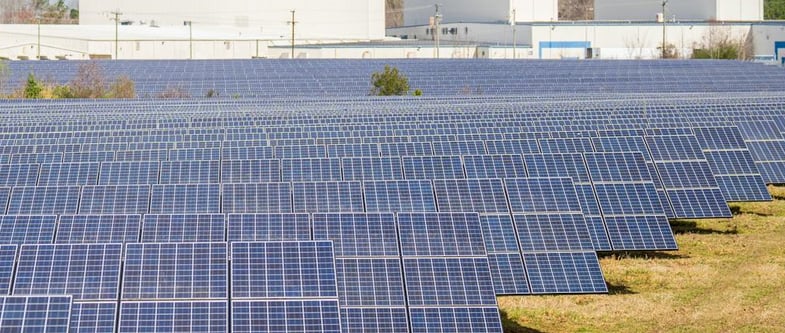
Solar panel fires are increasing
While fires involving solar panels remain relatively uncommon compared with the number of installations across the UK, new research from global business insurer QBE highlights why fire safety must remain an important consideration as adoption increases.
QBE gathered data through Freedom of Information requests to UK Fire and Rescue Services, finding that firefighters attended 212 fires involving solar panels in 2025, compared with 91 in 2022. This represents an increase of 133%, while the number of solar installations increased by around 52% over the same period.
The research also found that residential properties accounted for the largest number of incidents, with 102 fires recorded during 2025. Perhaps more significantly, the number of fires that spread beyond the solar installation increased from 33 in 2022 to 88 in 2025.
QBE's findings point towards DC cabling and connectors as the leading recorded cause, accounting for 49 incidents in 2025. Loose connections, damaged wiring and electrical faults can all contribute to increased fire risk.
Adrian Simmonds, Risk Manager at QBE Insurance, emphasised that solar remains an important part of the UK's clean energy future, while warning that safety and risk mitigation need to remain a priority as deployment accelerates.
These figures shouldn't discourage organisations or individuals from adopting solar technology. Instead, they reinforce the importance of ensuring that the rapid growth of renewable technology is accompanied by appropriate installation, inspection, maintenance and fire safety.
What can cause fires involving solar installations?
Solar PV technology is well established and, when appropriately designed, installed and maintained, the overall risk of fire remains low.
However, like any electrical installation, faults can occur.
Poor-quality connections, damaged DC cabling, defective components, unsuitable equipment and installation issues can all increase risk. Environmental factors such as weathering and damage from animals can also affect cabling over the lifetime of an installation.
Maintenance therefore becomes particularly important as the UK's existing solar infrastructure ages.
The introduction of plug-in systems brings another consideration: accessibility. Making solar easier to install is a significant benefit, but "plug-in" shouldn't be interpreted as meaning that every property or electrical installation is automatically suitable.
What does plug-in solar mean for landlords and building owners?
While plug-in solar is primarily being promoted as a consumer technology, its increasing popularity also raises questions for landlords, housing providers and those responsible for managing residential buildings.
Residents may increasingly want to install panels on balconies, terraces and other external areas. Organisations responsible for large property portfolios should therefore consider whether they need a clear policy covering where systems can be installed and any approval required beforehand.
The presence of panels should also be considered alongside the building's wider fire strategy.
Installations shouldn't compromise escape routes or introduce additional risks around external wall systems. Particular consideration may be required where buildings are undergoing, or are scheduled to undergo, cladding remediation or other significant external works.
Building information and emergency plans should also accurately identify the presence of photovoltaic systems. Solar panels can continue generating electricity during daylight even when the building's electricity supply has been isolated, creating an additional consideration for firefighters responding to an incident.
5 top tips if you're considering plug-in solar
For households interested in taking advantage of the new technology, a few relatively simple precautions can help reduce electrical and fire risks.
1. Check your electrics first
Before purchasing a system, consider having your electrical installation assessed by a competent electrician, particularly if you live in an older property or are unsure about the condition of your wiring and protective devices.
Current guidance from Electrical Safety First recommends that circuits used for plug-in solar have appropriate protection, including at least a Type A bidirectional RCD.
2. Buy from a reputable supplier
Choose a system specifically designed for use in the UK and purchase from an established, reputable retailer.
With plug-in solar expected to become increasingly popular, consumers should be cautious about extremely cheap products from unknown sellers and ensure equipment meets the appropriate UK safety requirements.
3. Plug directly into a suitable socket
Avoid the temptation to use an extension lead simply because it makes positioning the panels easier.
Plug-in solar should not be connected through extension leads, cable reels, multiway adaptors or travel adaptors. Additional connections can introduce further opportunities for overheating, damage and electrical faults.
4. Stick to one system per household
Adding additional systems might sound like an easy way of generating more electricity, but plug-in solar systems aren't designed to be continually added to the same electrical installation.
Current requirements permit one plug-in solar system per household. Connecting multiple systems could interfere with the effectiveness of electrical protective devices.
5. Think carefully about positioning
The position receiving the most sunlight isn't necessarily the safest place for a panel.
Panels should be securely mounted and positioned so they don't obstruct windows, balconies, walkways or escape routes.
This becomes particularly important within flats and multi-occupancy residential buildings. Residents should check with their landlord, freeholder or building manager before installing equipment, particularly where external walls, balconies or communal areas are involved.
Don't forget existing solar installations
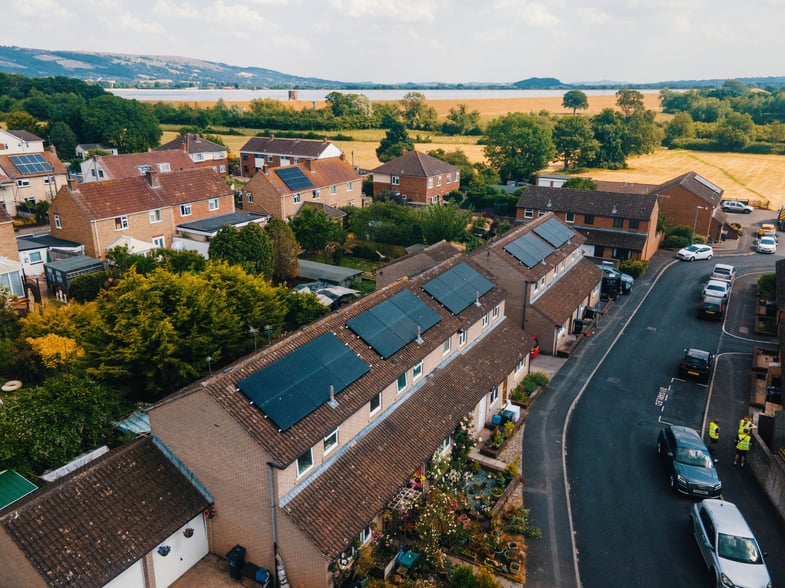
The arrival of plug-in technology will understandably attract attention, but there are already more than two million solar installations across the UK.
Building owners should therefore consider solar PV as part of their wider approach to electrical and fire safety throughout the lifecycle of a building.
Regular visual inspections can help identify damaged panels, loose connections or deteriorating cables, while periodic professional inspection and testing can help identify faults before they develop into more significant problems.
For organisations managing larger estates, keeping accurate records of where solar PV is installed, its condition and when it was last inspected can also support a more proactive approach to asset and compliance management.
Ventro’s View: Supporting the transition safely
Renewable energy and building safety should not be viewed as competing priorities.
The continued expansion of solar generation is an important part of creating a cleaner and more resilient energy system. Making solar technology cheaper and more accessible has the potential to bring those benefits to considerably more households.
The increase in reported fires should not be a reason to discourage solar adoption, but it is a reminder that electrical safety, product quality and ongoing maintenance need to keep pace with the technology.
For households, this means making informed choices about the products they purchase and how they use them. For landlords and building owners, it means understanding how an increasing number of renewable technologies interact with existing electrical infrastructure and wider building fire safety.
As our buildings become greener, ensuring they remain safe and compliant must continue to be part of the conversation.