











.png?noresize&width=397&height=365&name=CPDmember%20(1).png)
The past week has provided two stark reminders of just how serious fire risk remains across commercial and industrial settings. A major fire at a carpet warehouse on an industrial estate in Birmingham required the response of around 75 firefighters and multiple appliances, as thick smoke rose across the city skyline. Elsewhere, emergency services were called to a significant fire at the Nissan Technical Centre, where crews worked quickly to bring the situation under control.
Although the causes of both fires are still under investigation, incidents like these highlight the broad range of risks faced by businesses and building owners. Combustible materials, complex layouts, electrical faults and mechanical failures can all contribute to fires that develop rapidly and spread before they are detected. The impact extends far beyond physical damage, often disrupting operations, affecting supply chains, and leading to long term financial and reputational consequences.
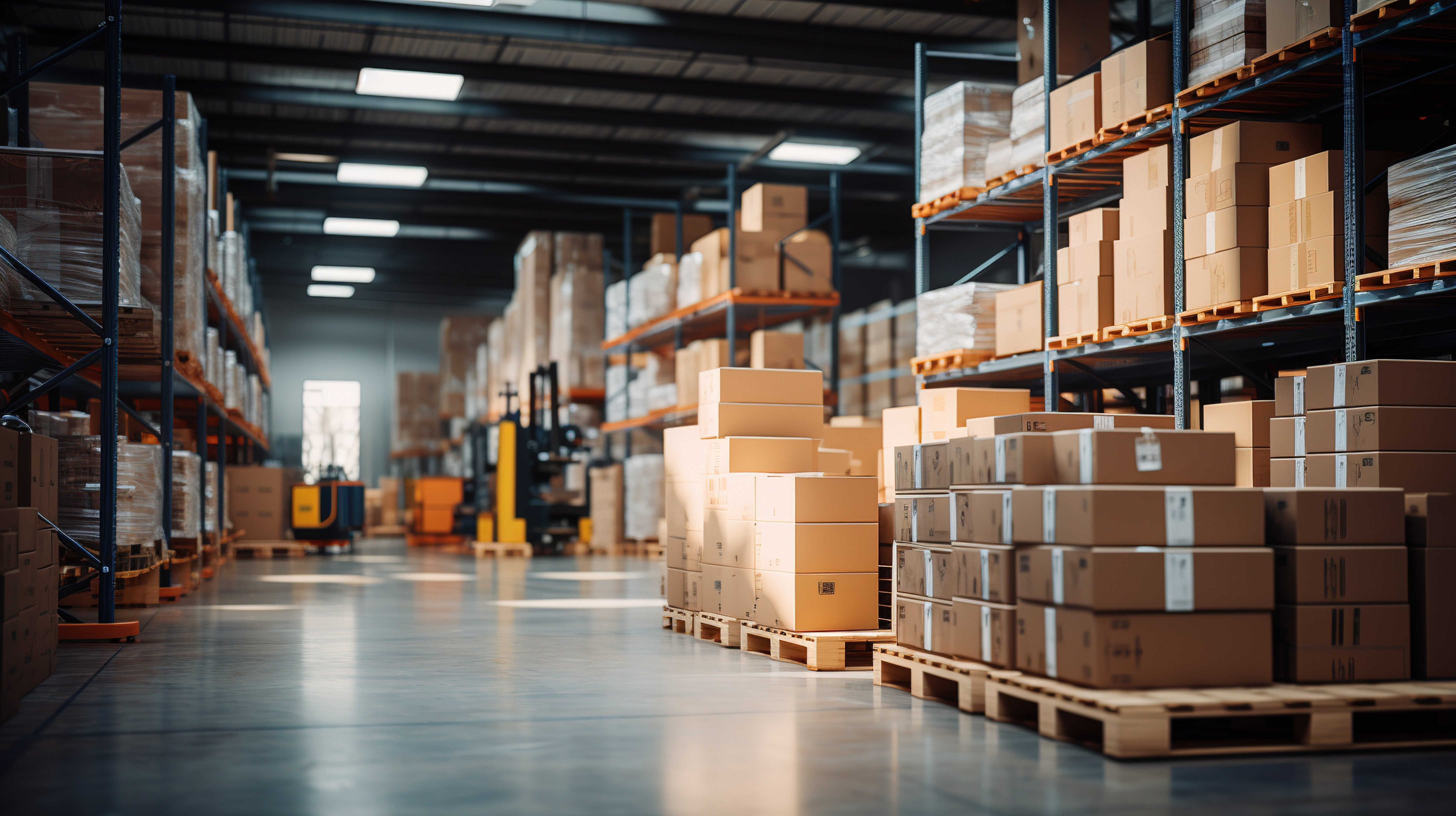
Many commercial and industrial buildings now operate with fewer people on site, particularly outside normal working hours, and some facilities are largely unmanned. Warehouses, research centres and manufacturing environments are increasingly automated, which means a fire can go unnoticed for longer before emergency services are alerted. In these settings, early detection, reliable fire protection systems and well-maintained passive fire measures become even more important. Where human intervention is limited, fire safety measures must be capable of containing fire spread, protecting the structure and supporting a safe and effective emergency response.

How to Reduce the Risk of Fire in Your Premises
While investigations continue into recent incidents, there are practical steps that organisations can take now to reduce the likelihood of a fire occurring on their premises.
Regular fire risk assessments
Fire risk assessments should be reviewed routinely to reflect how a building is actually being used. This includes storage arrangements, equipment, electrical installations and day to day operations.
Maintain electrical and mechanical systems
Electrical faults and poorly maintained machinery remain common causes of fires. Regular inspection, servicing and timely replacement of equipment can prevent minor issues from escalating.
Manage storage and combustible materials
Flammable materials should be stored safely and kept away from heat sources. Avoiding overcrowded storage areas can also help limit the speed at which a fire spreads.
Ensure detection and suppression systems are maintained
Fire alarms, sprinklers and extinguishers must be correctly installed and regularly tested to ensure they will perform as intended in an emergency.
Provide staff training and clear emergency plans
Even in low occupancy buildings, those on site should understand fire prevention measures, evacuation procedures and how to raise the alarm. Regular drills help reinforce this knowledge.
Control ignition sources
Heat producing equipment, hot works and electrical devices should be properly managed and monitored to reduce the risk of accidental ignition.
Maintain good housekeeping standards
Keeping work areas clean, removing waste promptly and controlling dust build up can significantly reduce fire load and ignition risk.
Even in highly automated or low occupancy environments, competence remains critical. Ensuring responsible persons, facilities teams and contractors clearly understand their fire safety responsibilities reduces the likelihood of oversights that can lead to serious incidents.
Fire risk cannot be managed with a one size fits all approach. The recent fires in Birmingham and at the Nissan Technical Centre serve as a reminder that fire risk management must be proactive, ongoing and tailored to the specific risks of each site. By taking action, organisations can better protect people, property and operations from the potentially devastating consequences of fire.
Ventro works with organisations across commercial and industrial sectors to assess risk, strengthen fire safety measures and provide practical, compliant solutions. Get in touch to discuss how we can support you in protecting your people, property and operations.