













.png?width=397&height=365&name=CPDmember%20(1).png)
When London Stadium embarked on a major sustainability upgrade to reduce its carbon footprint, it presented a unique and complex fire safety challenge. The installation of roof-mounted solar technology introduced high-voltage inverters and transformers into the upper stands of one of the UK’s most visited venues.
Ventro Group was appointed by Ameresco, on behalf of Vinci, to deliver a fully certified passive fire protection solution that would allow this renewable energy system to operate safely and without compromising the protection of spectators, staff or the stadium’s critical infrastructure.
Protecting People, Infrastructure and Operations
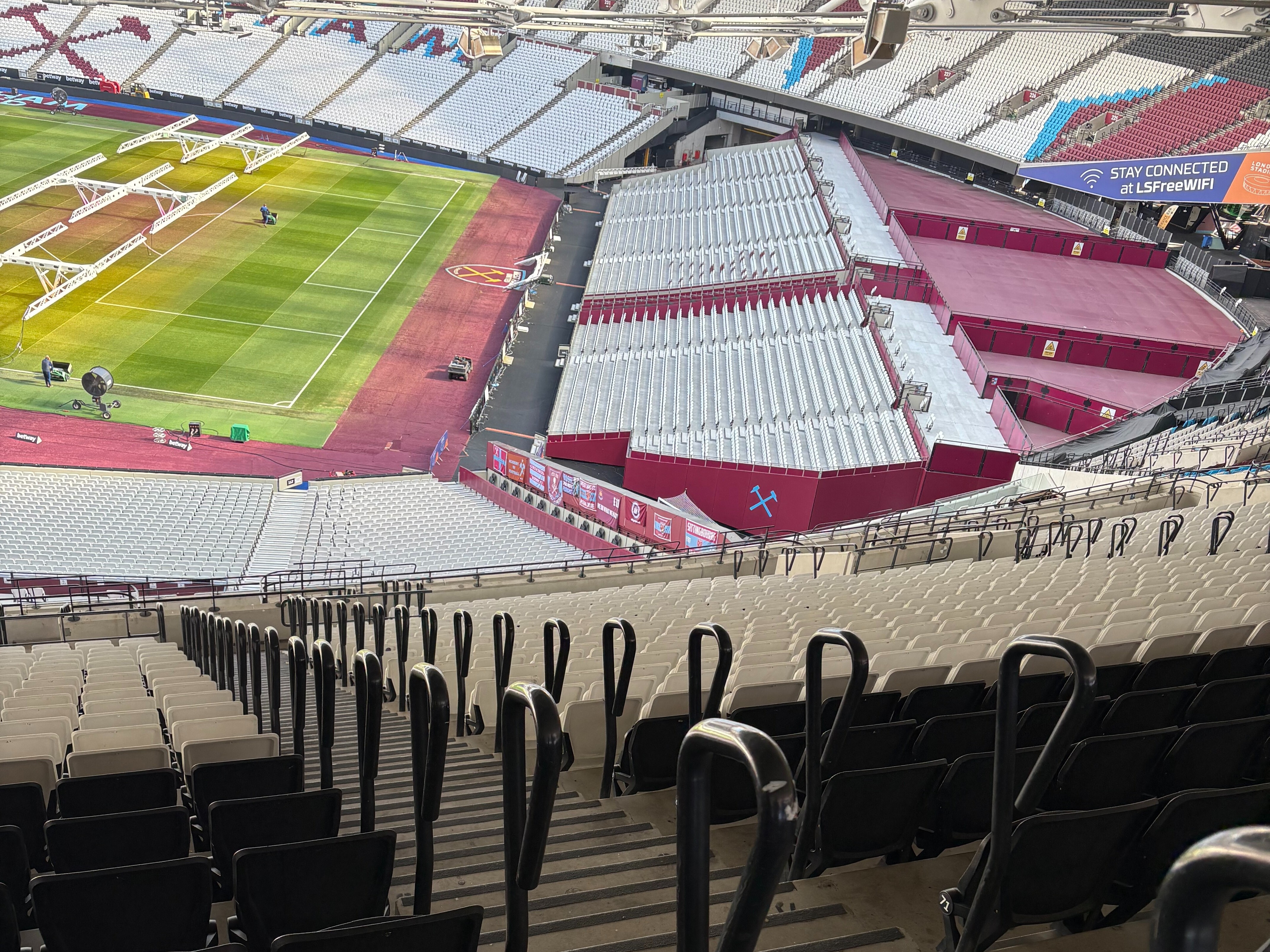
London Stadium, formerly the Queen Elizabeth Olympic Stadium and now home to West Ham United, welcomes over 1.4 million visitors every year. Any fire incident within the stadium has the potential to cause widespread harm, not only through the fire itself, but also smoke spread, panic and disruption to evacuation routes.
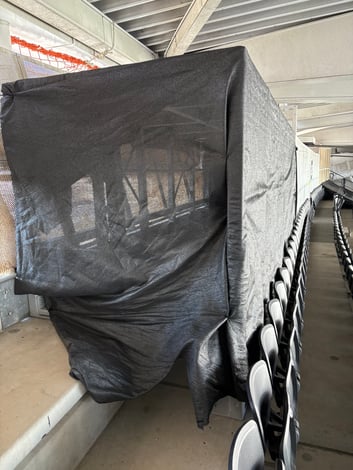
The new solar infrastructure required multiple inverter and transformer cages to be positioned within the upper stands, close to public areas and structural steelwork. These units, essential for converting direct current into usable alternating current, also represented a potential ignition source. Ventro’s role was to ensure that any fire, smoke or heat could be fully contained at source, while still allowing the equipment to function safely in day-to-day operation.
A Design-Led Passive Fire Strategy
Rather than applying standard fire stopping methods, Ventro adopted a collaborative, design-led approach. Working closely with Ameresco, structural engineers, fire consultants and the stadium’s own safety teams, bespoke fire compartments were created around each inverter and transformer unit.
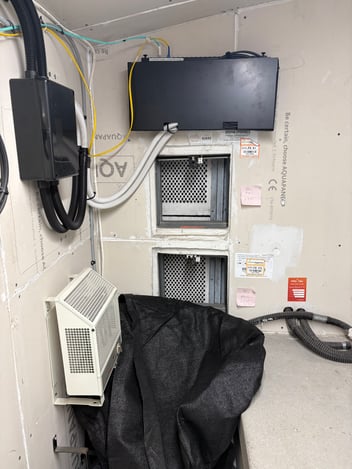
Eight fully enclosed cages were constructed, each protected on all sides – walls, floors and ceilings – using third-party tested and certified passive fire protection systems. These three-dimensional fire compartments were engineered to prevent the transfer of fire and heat to surrounding areas, while remaining fully integrated with the stadium’s electrical and structural systems.
This approach went beyond basic compliance. In addition to meeting UK Building Regulations, the solution aligned with BS 476, EN 1366, BS 9999 and BS 5839, as well as Premier League safety protocols and the specific requirements of London Stadium’s fire and security consultants. The design also considered cold smoke behaviour, heat transfer to structural steel and the risk of mass panic in the event of an evacuation.
Innovation Where Standard Solutions Fall Short
The geometry and location of the cages meant traditional fire stopping techniques were not sufficient. Each enclosure required protection around complex steel frames, service penetrations and ventilation points, all without weakening fire integrity.
To overcome this, Ventro introduced intumescent venting to allow controlled heat exchange during normal operation, which would automatically seal in the event of fire. Fire-resistant insulation was installed to limit thermal transfer, while all penetrations for cabling and supports were sealed using tested, certified systems. Smoke detection was also integrated directly into the stadium’s main fire panel, providing early warning and enabling a controlled response.
Given their accessibility from the upper stands, the cages were also designed to resist tampering. Steel security mesh and robust access doors were incorporated into the fire stopping solution, ensuring safety was maintained even in a live public environment.
Delivering in a Live, High-Risk Venue
All works were completed while the stadium remained fully operational, hosting Premier League fixtures and large-scale concerts. This meant frequent stand-downs, strict security controls and full site clearance before every event.
Designs also had to evolve in real time, as the solar infrastructure was being installed alongside the fire protection works. Through careful planning, close coordination and flexible site management, Ventro ensured that both programmes could progress safely without compromising compliance or quality.

A Project That Sets a New Standard
Since completion, the installations have passed post-project audits by London Stadium’s facilities and health and safety teams. There have been no reported faults, breaches or heat issues, even during periods of high summer temperature and full-capacity events.
Each cage now operates as an independent fire compartment, ensuring that any incident is contained at source and cannot threaten spectators, the stadium structure or its power systems.
In recognition of the technical excellence, innovation and safety impact of this project, Ventro Group was awarded Passive Fire Safety Project of the Year at The Security & Fire Awards for Excellence 2025, a proud moment that reflects the strength of our people, projects and our commitment to protecting all buildings regardless of how complex.